Breast Surgeon & Menopause Specialist
Your health, explained clearly.
I'm Dr Alex Popadich — a specialist surgeon based in Wellington, New Zealand. I make complex breast cancer and menopause medicine genuinely understandable, so you can make confident decisions about your own body.
10+ Years as consultant surgeon in Wellington
FRACS Fellowship of the Royal Australasian College of Surgeons
2 Specialist clinical practices

What I cover
Two areas I've dedicated my career to
Everything on this site — every video, article, and resource — sits within one of these two pillars. Choose where you'd like to start.
Breast Cancer
From diagnosis to treatment, reconstruction to surveillance — clear explanations of what every stage actually means for you and your family.
Menopause & HRT
Perimenopause, menopause, hormone therapy, and all the questions your GP might not have time to answer. Evidence-based and jargon-free.
On YouTube
New Videos every Week
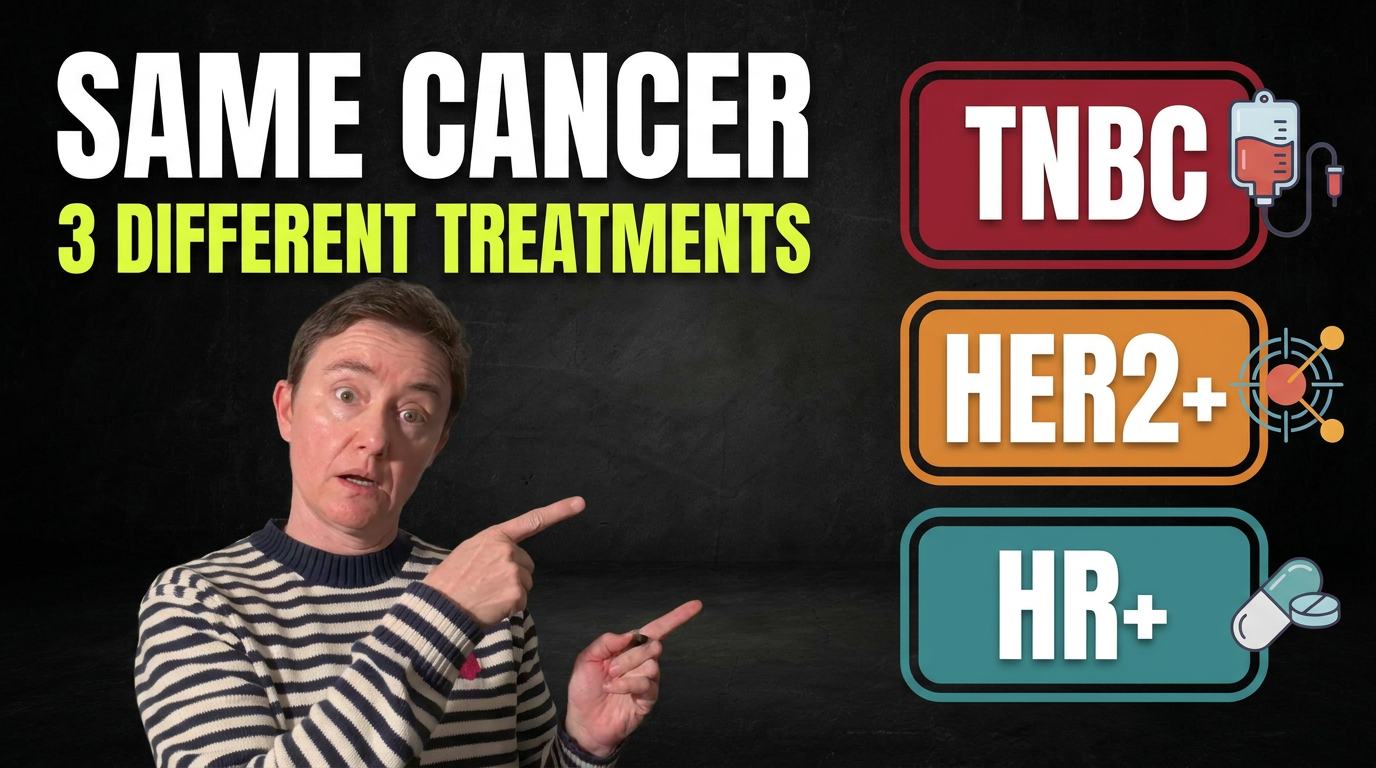
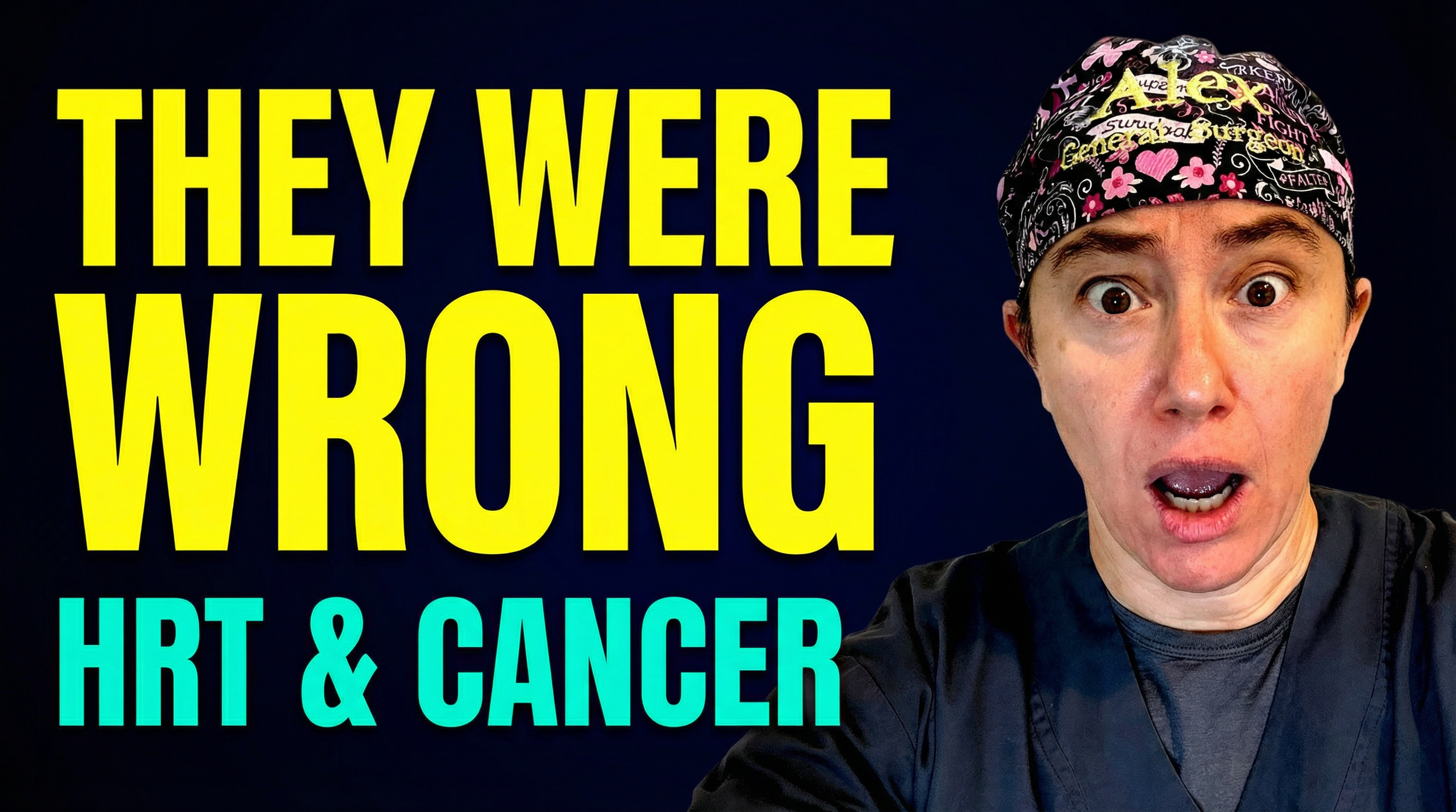
I break down the research, explain the procedures, and answer the questions that matter most — in plain language, without the jargon. No medical degree required.
About Dr Alex
A surgeon who believes you deserve to understand what's happening in your own body
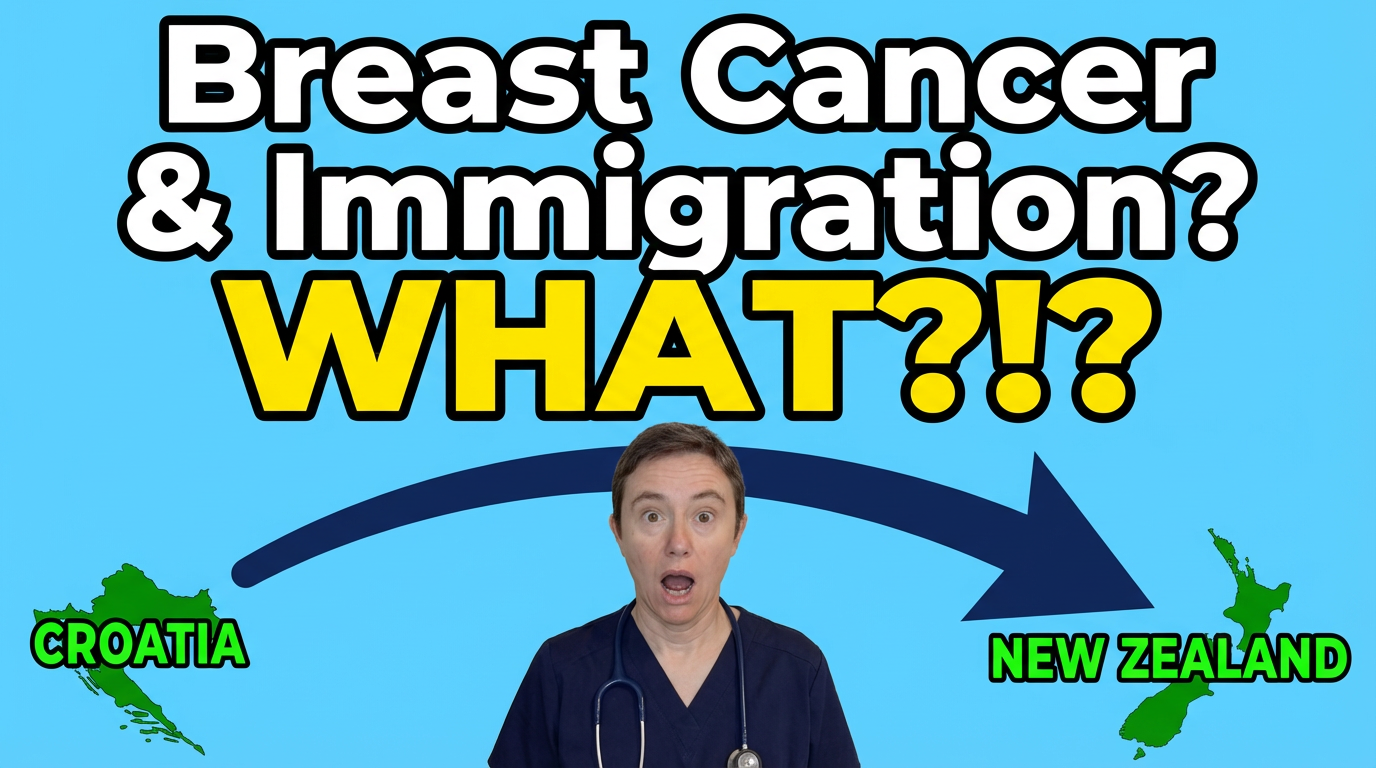
I'm originally from Croatia, and my family moved to New Zealand in 1995. I trained in medicine at Otago University, completed my surgical training across New Zealand, and sub-specialised in Breast and Endocrine Surgery in Sydney. Since 2013, I've been working as a consultant surgeon in the Wellington region.
I started this channel because I kept seeing the same thing in my clinic: brilliant, capable women who had been given information they couldn't use. Complex words, rushed appointments, no room for questions. This is my attempt to fix that — one video at a time.
FRACS | Breast & General Surgery | University of Otago | Sub-specialised in Sydney | Consultant since 2013 | Wellington, NZ
Blog Posts

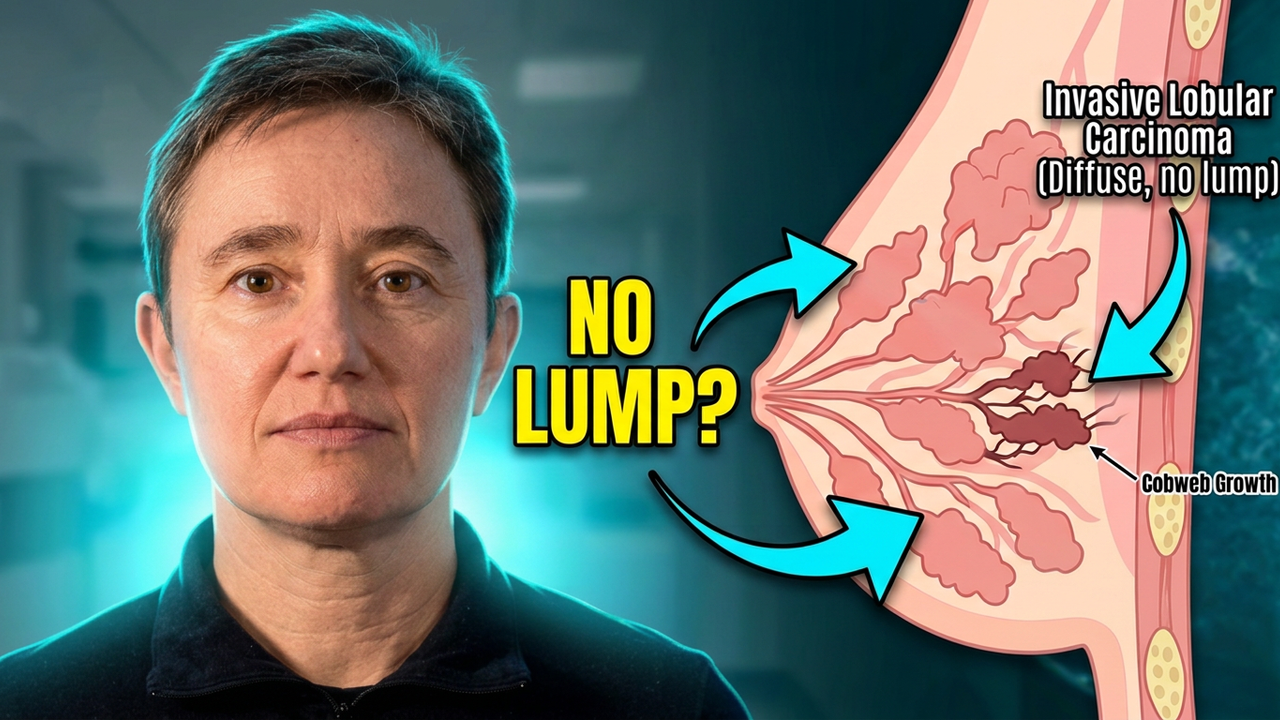
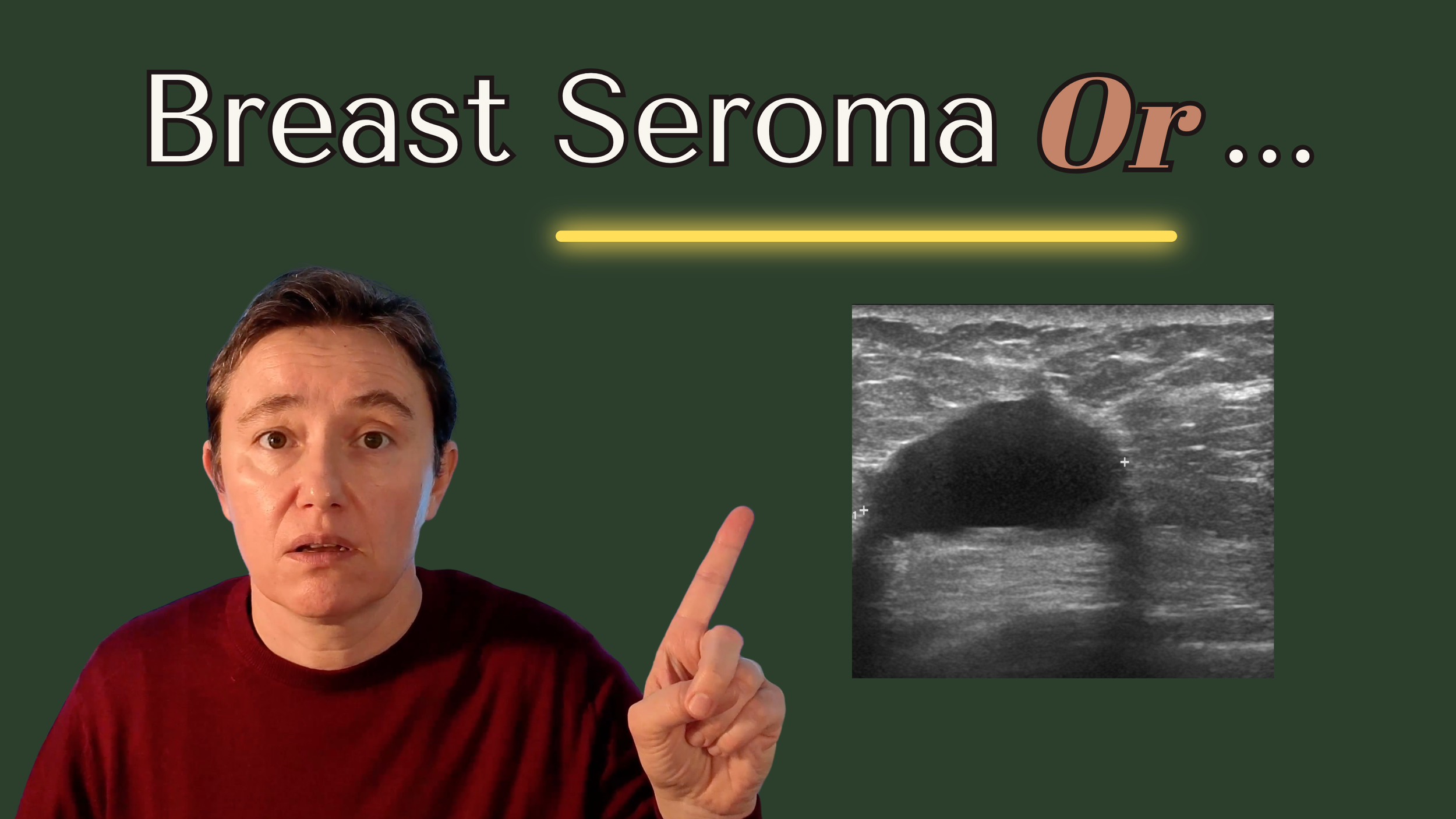
See A Specialist
Looking for a clinical care?
This site is about education. For appointments, referrals, and specialist consultations, visit one of my dedicated clinical practices below.
My Breast Care Centre
Specialist breast surgery in Wellington. Breast lumps, cancer, Breast cancer risk, surveillance, and second opinions.
Menopause & Me
Expert menopause and HRT consultations in Wellington. Evidence-based care for perimenopause and beyond.
MONTHLY NEWSLETTER (THE CONSULT)
Medicine, explained
without the jargon.
One email per month from Dr Alex Popadich — breast surgeon and menopause specialist in Wellington, New Zealand. Clear, honest, evidence-based, and occasionally featuring a really good recipe.
✦ 3 things that caught my eye — research, insights, and things worth knowing
✦ Everything published on the channel that month — videos and articles, with links
✦ A recipe from my kitchen I think you should try
✦ One email per month — no noise, no spam
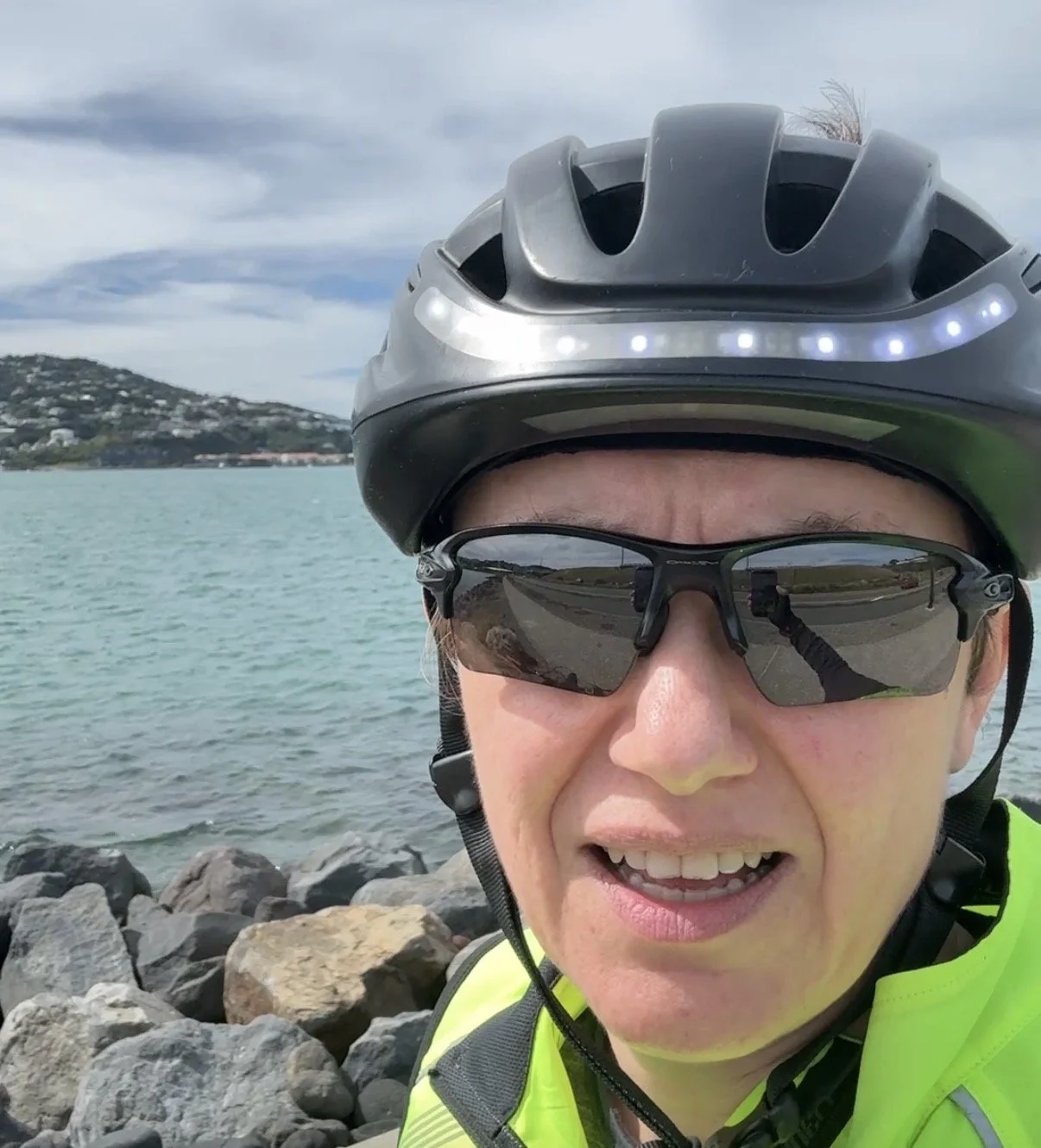
Dr Alex Popadich
FRACS · Breast Surgeon & Menopause Specialist
Wellington, New Zealand